

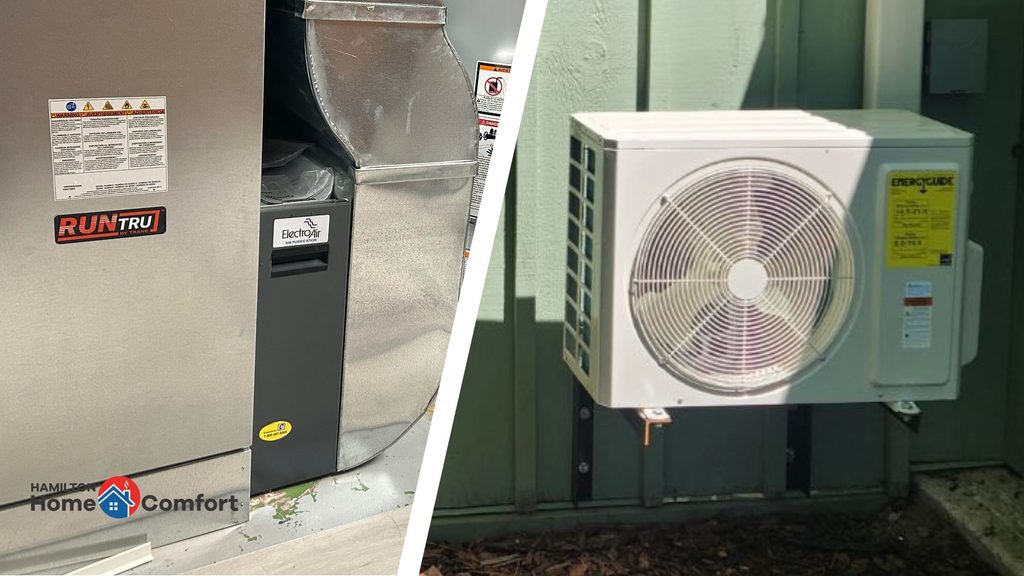
When you’re doing a heat pump vs furnace comparison, you’re often left with more questions than answers. Will a heat pump keep your home warm in January? Is a gas furnace cheaper to run? And does switching mean replacing everything you already have?
Both systems can be good choices for Ontario homes. The right fit depends on your house, your budget and what you need from your heating and cooling equipment.
At Hamilton Home Comfort, we help homeowners in Hamilton, Stoney Creek, Ancaster, Burlington and surrounding communities understand their heating options.
In this heat pump vs furnace review, we examine how the two systems compare, including where each has advantages.
How Do Heat Pumps And Furnaces Work?
Let’s start with the traditional heating method: a gas furnace burns fuel to produce heat. A blower moves warmed air through your ductwork and into your rooms. For this comparison, we are focusing on natural gas furnaces, although electric and propane furnaces are also available.
An air-source heat pump uses electricity to move heat. In winter, it collects heat from outdoor air and brings it inside. It’s important to know that even cold air contains heat that the system can use. In summer, the heat pump reverses the process, moving heat outside to cool your home.
That gives a heat pump one clear difference: it provides heating and cooling. A furnace provides heating and needs separate air conditioning equipment for summer comfort.
Read more about how furnaces work in our complete furnace guide. Now, let’s look at the furnaces vs heat pumps comparison.
What Are The Pros And Cons Of A Heat Pump?
Heat Pump Advantages
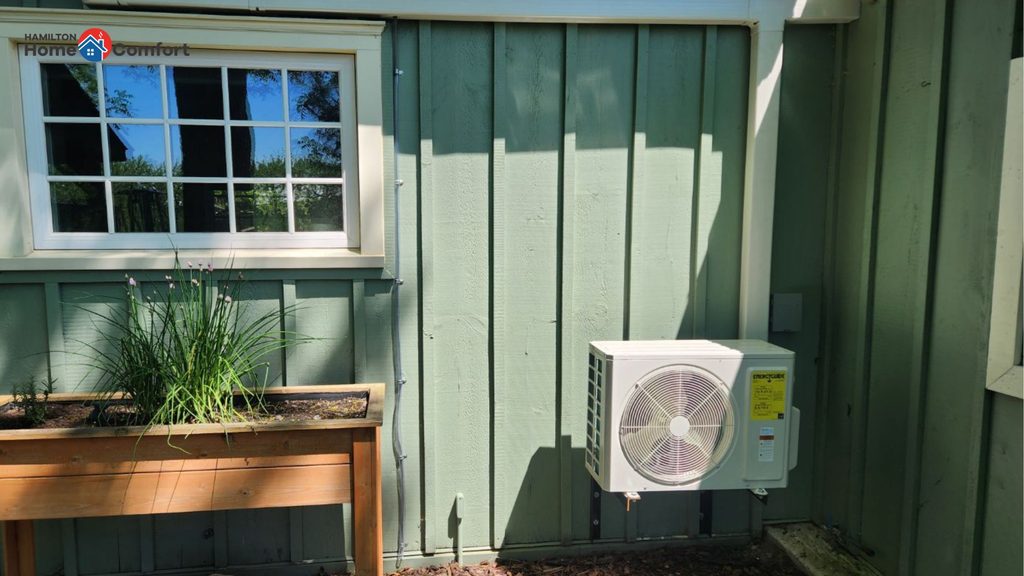
A heat pump deserves consideration if your air conditioner needs replacing, particularly if you also want to update your heating.
Its advantages include:
- Heating and cooling from one system.
- Efficient heating because it moves existing heat rather than generating it by burning fuel.
- Options for homes with ductwork and ductless options for homes or rooms without it.
- Reduced reliance on fossil fuels when replacing gas, propane or oil heating.
Many models also adjust their output gradually, helping maintain a steady indoor temperature.
Heat Pump Considerations
There are several elements of a heat pump installation that you need to consider. A typical installation may involve electrical work, duct changes or backup heating, which can increase the project cost.
Cold weather also affects performance. As outdoor temperatures drop, a heat pump may use more electricity and provide less heating capacity. Cold-climate models are designed for lower temperatures, but the specific equipment still needs to match your home’s heating needs.
You may notice longer heating cycles and air that feels less hot at the vents than furnace air. That does not automatically mean the system is struggling.
A heat pump’s outdoor unit produces fan and compressor noise while running, so its placement matters, especially near bedroom windows or neighbouring homes. Noise levels vary by model. Hamilton Home Comfort can help identify a suitable location that considers sound while maintaining the clearances needed for proper airflow and servicing.
What Are The Pros And Cons Of A Furnace?
Furnace Advantages
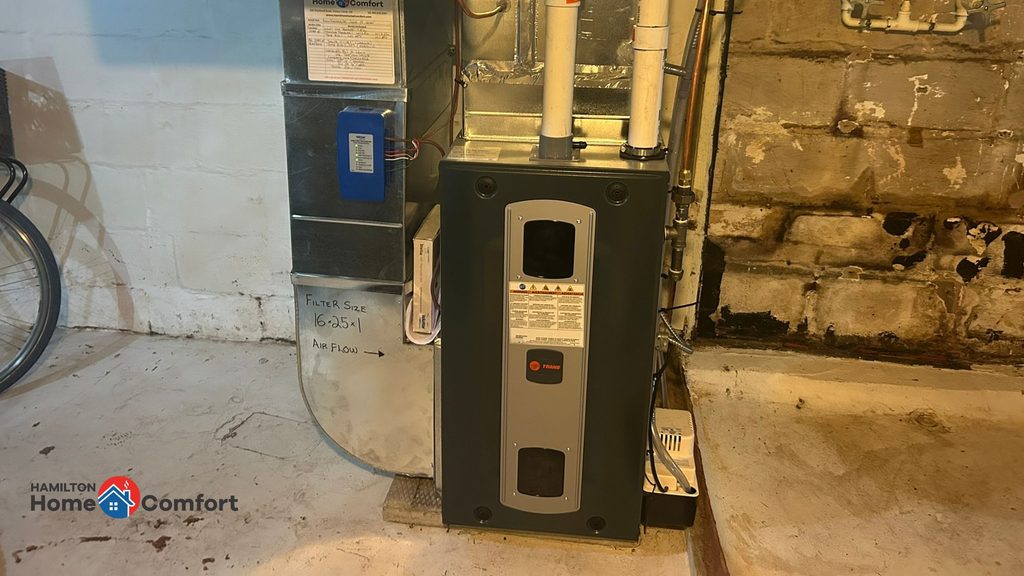
A properly sized gas furnace offers dependable heating during Ontario cold snaps. Its heat production does not rely on extracting warmth from outdoor air.
Other advantages of a furnace installation include:
- A familiar heating option for homes already connected to natural gas.
- Potentially simpler replacement when suitable ductwork, gas piping and venting are in place.
- Strong heating output when bringing a chilly house back to a comfortable temperature.
- High-efficiency models that make good use of the fuel they consume.
For example, a furnace rated at 96% AFUE converts approximately 96% of its fuel energy into heat over a heating season.
Furnace Considerations
A furnace cannot cool your home, so consider your air conditioner’s condition when comparing replacement options.
Gas furnaces also produce combustion emissions and require appropriate venting and regular professional maintenance. Their operating costs depend on gas prices, equipment efficiency and how much heat your home loses.
A gas furnace still needs electricity for its blower and controls. It will not keep running through a power outage without suitable backup power.
Which Costs Less To Install And Run?
There is no single winner in the furnace vs heat pump cost comparison.
Replacing an existing furnace can cost less upfront than installing a complete heat pump system, especially when electrical or ductwork upgrades are needed. However, comparing a furnace alone against equipment that also replaces your air conditioner leaves out part of the picture.
Ask for quotes covering the same heating and cooling needs.
Running costs depend on electricity and gas rates, outdoor temperatures, insulation, equipment performance and backup heating use. Higher energy efficiency does not automatically mean a lower bill when the systems use differently priced energy sources.
Could Hybrid Heating Be The Right Fit?
You do not necessarily have to choose one system exclusively.
A hybrid system pairs a heat pump with a gas furnace. The heat pump handles cooling and heating when conditions suit it. The furnace takes over at a selected outdoor temperature.
There is no universal switchover temperature. It depends on the heat pump’s output, your home’s heat loss and whether the controls prioritize heating capacity or operating costs.
This arrangement can suit homeowners who want heat pump benefits while retaining gas heating for colder conditions, like those that we experience in Canada.
What Maintenance Will Each System Need?
Both systems need clean filters, clear airflow and professional servicing according to manufacturer recommendations.
Furnace maintenance includes checking heating components and ensuring safe operation. Heat pump maintenance includes checking coils, refrigerant performance and the outdoor unit. Keep snow and debris away from that unit.
Our Fall Furnace Maintenance Checklist explains useful seasonal preparation.
Heat Pump Vs Furnace: Start With A Home Assessment
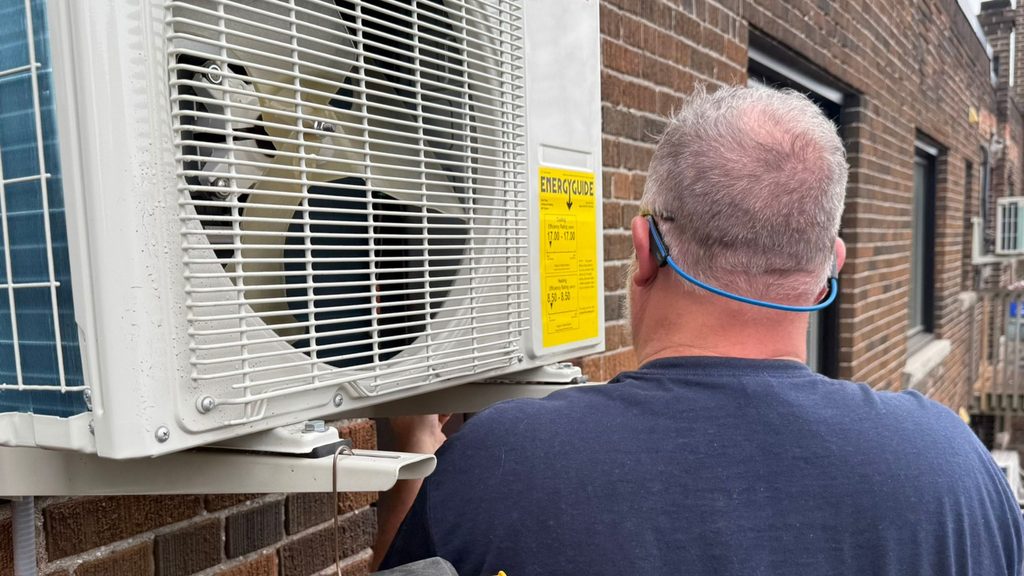
When you’re doing a heat pump vs furnaces comparison, your best choice starts with your home. Hamilton Home Comfort can assess your existing equipment, discuss comfort concerns and explain suitable furnace, heat pump or hybrid options.
The assessment should consider your home’s insulation, windows, duct capacity, electrical service and how much heat your home needs on cold days. Those details help avoid choosing equipment based only on your home’s square footage.
Considering a heat pump installation in Hamilton? Ask how the proposed system will handle winter temperatures, summer cooling and backup heating.
Contact Hamilton Home Comfort for heat pump and furnace installations, repairs and maintenance and make sure your heating system is ready when you need it most.
Follow Hamilton Home Comfort on Instagram and Facebook for the latest home comfort tips, company news and HVAC insights.